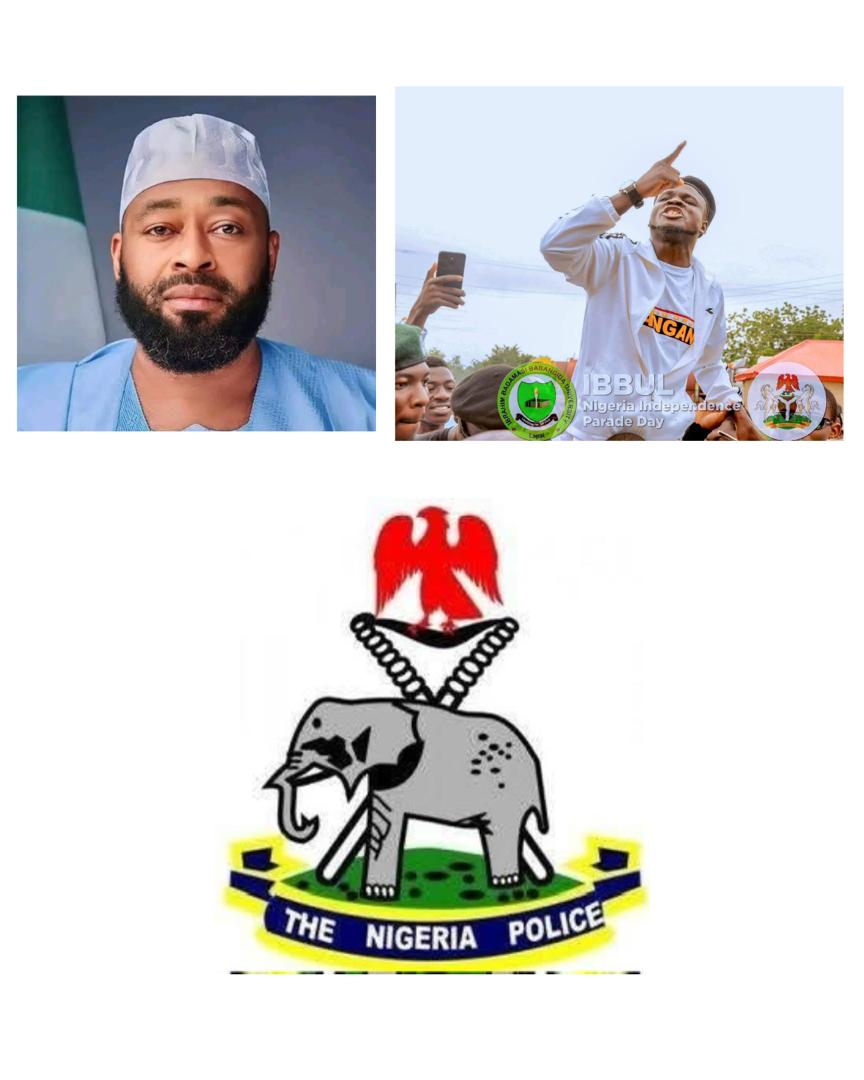
A wave of outrage and concern has spread across Niger State following the arrest of Abubakar Isah, a postgraduate student of Ibrahim Badamasi Babangida University (IBBUL), Lapai, over a series of social media posts criticizing the administration of Governor Mohammed Umaru Bago. The arrest, which reportedly occurred on Thursday, October 23, 2025, has sparked discussions about freedom of expression, the use of Nigeria’s cybercrime laws, and the growing tension between political authorities and online critics.
Who Is Abubakar Isah and Why He Was Arrested
According to confirmed reports, Abubakar Isah, a 29-year-old master’s student at IBBUL, was apprehended by officers from the Lapai Division of the Niger State Police Command. He was later transferred to the State Command Headquarters in Minna for questioning.
His arrest followed a formal complaint lodged with the police concerning a series of online commentaries in which he referred to Governor Bago as “Governor Amunike”—a term popularly used online to mock perceived underperforming public officials. In several of his posts, Isah reportedly criticized the state government for slow project execution, insecurity caused by banditry, repeated flooding incidents, and unpaid student scholarships.
Before his arrest, Isah had shared a troubling message on social media warning that he noticed “suspicious police movements” around his lodge. His fears were confirmed hours later when police operatives took him into custody.
Police Confirm Arrest, Cite Cybercrime Law
The Niger State Police Public Relations Officer (PPRO), DSP Wasiu Abiodun, confirmed the student’s arrest, stating that Isah was taken into custody after a petition was filed regarding his alleged violation of cybercrime laws.
According to the police, the arrest was conducted in line with an ongoing investigation into alleged “criminal defamation and cyberstalking” under Nigeria’s Cybercrimes (Prohibition, Prevention, etc.) Act. The command emphasized that Isah’s social media posts were under scrutiny to determine whether they contained content considered “false, grossly offensive, or injurious” to public officials.
As of the time of this report, the police have not disclosed whether Isah has been formally charged in court, nor have they provided an update on his detention status.
Silence from the University and the Governor’s Office
Despite the widespread public attention the arrest has attracted, neither Governor Bago’s office nor IBBUL management has issued an official statement on the matter.
The university has not commented on whether it will provide legal or welfare assistance to the detained student. Similarly, there has been no public acknowledgment or response from the governor’s spokesperson or media aide.
This silence has drawn criticism from student activists, human rights advocates, and alumni of IBBUL, many of whom argue that the university should protect the rights and welfare of its students, especially when matters of free speech and academic freedom are at stake.
Growing Debate Over Freedom of Expression in Nigeria
The arrest has reignited national debates about the limits of free speech in Nigeria, especially on social media platforms. Critics of the action point to Section 24 of the Cybercrimes Act, which has historically been used to prosecute online critics, journalists, and activists for allegedly “offensive” or “false” posts.
Human rights organizations and digital rights advocates have long argued that the section’s wording is overly broad and prone to abuse by authorities seeking to silence dissenting voices. Although amendments have been proposed to reform the law, cases like Isah’s demonstrate that the legislation remains a powerful tool for clamping down on online expression.
Several legal analysts also pointed out that Nigeria’s Constitution guarantees freedom of speech, provided it does not amount to defamation or incitement to violence. They stress that criticism of government performance, even when harsh, should not automatically be treated as a criminal act.
Social Media Reacts: Students and Citizens Demand Justice
Following Isah’s arrest, social media platforms erupted with reactions from students, alumni, and civil society groups. The hashtag #FreeIBBULStudent began trending among Niger State users, with many calling for his immediate release and condemning what they described as “authoritarian overreach.”
Some commentators accused the government of being intolerant of criticism, while others defended the governor’s right to protect his reputation from defamation. The debate continues to draw strong opinions from both sides of the political divide.
Legal Experts Weigh In
Several legal practitioners have weighed in on the matter, emphasizing that freedom of expression must be balanced with responsibility. According to legal experts, while defamation and cyber harassment are recognized offenses under Nigerian law, criticism of public officials based on verifiable issues of governance is generally protected speech.
They also note that any criminal charges must be clearly defined, and due process must be followed to prevent abuse of power. If Isah’s case proceeds to court, it could set another precedent in Nigeria’s evolving jurisprudence on digital free speech.
What Happens Next
At present, Isah’s case remains under police investigation. It is unclear whether he will be granted bail, charged to court, or released without prosecution. Family members and close associates have reportedly been denied access to him since his detention in Minna, sparking further concern among rights groups.
Observers say the case will test Niger State’s commitment to human rights and Governor Bago’s tolerance for public criticism. Many believe the outcome will either reaffirm or weaken public confidence in the state’s approach to democracy and open governance.
Background on Governor Bago
Governor Mohammed Umaru Bago, often referred to as “Farmer Governor” due to his agricultural initiatives, has been in office since May 2023. His administration has been praised for launching several infrastructure and education-related projects, but has also faced criticism over insecurity, delayed student scholarship payments, and environmental management challenges.
Supporters of Bago describe him as a visionary reformer working to reposition Niger State for growth, while detractors argue that his communication style and governance record have fallen short of expectations.