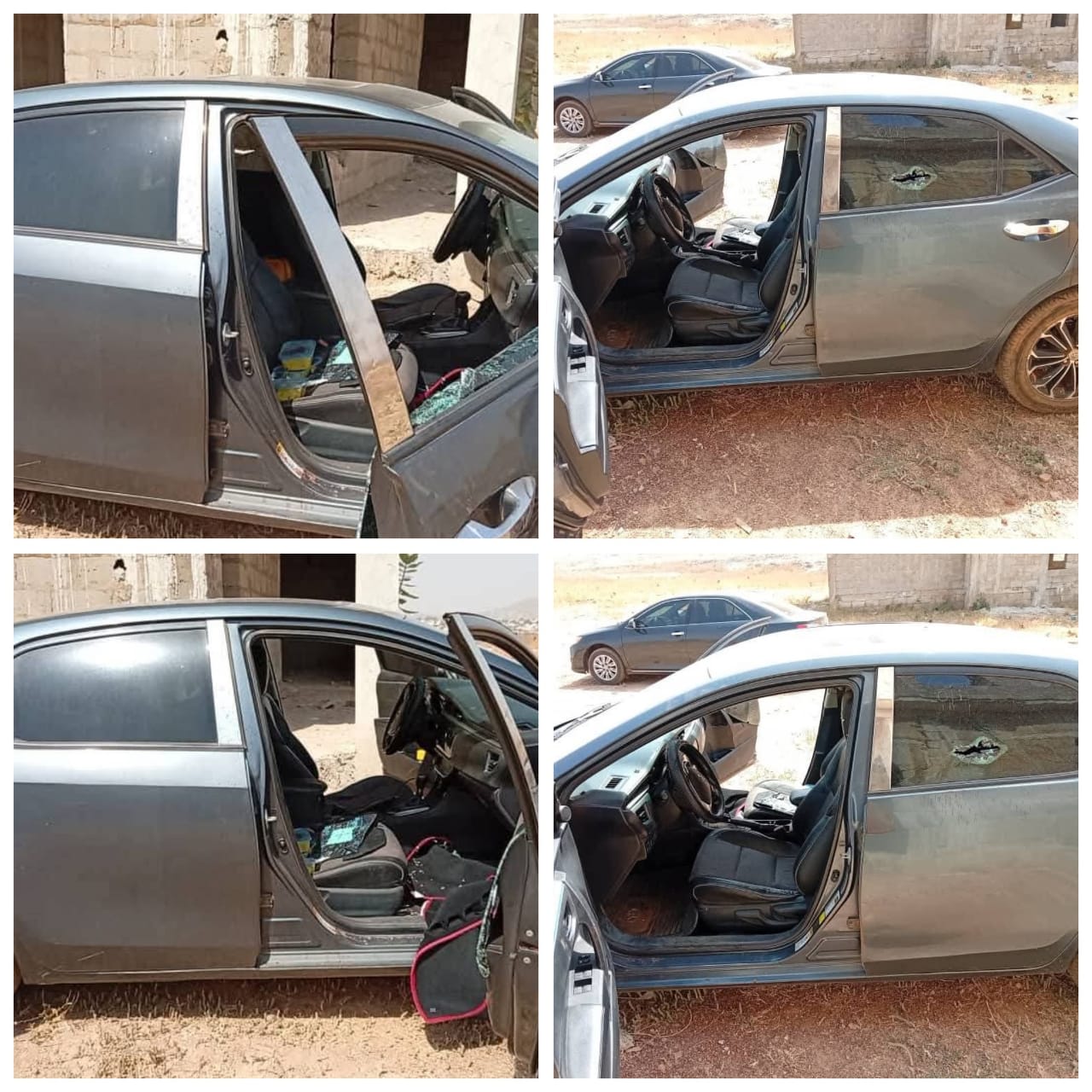
A wave of fear and outrage swept across Kaduna State after security agencies finally confirmed the mass abduction of Christian worshippers in Kajuru Local Government Area, ending days of official denial that had already sparked national controversy. The confirmation has now triggered a major tactical deployment by the Nigeria Police Force, as security agencies race against time to rescue the victims and restore public confidence.
The incident, which occurred during a routine church service, has once again placed the spotlight on Nigeria’s fragile security architecture, particularly in rural communities repeatedly targeted by armed groups.
What Happened: A Quiet Sunday Turns Violent
On Sunday, armed men stormed the Kurmin Wali community in Kajuru LGA, attacking multiple churches while worshippers were gathered for services. Eyewitness accounts and community leaders revealed that the assailants arrived heavily armed, firing sporadically to instil fear before herding worshippers into the surrounding bush.
The attack affected three separate churches, including:
- Evangelical Church Winning All (ECWA)
- Albarka Cherubim and Seraphim Church
- Haske Cherubim and Seraphim Church
Men, women, and children were reportedly taken in large numbers, while a few managed to escape during the chaos.
Initial Denial That Sparked Public Anger
In the immediate aftermath, reports of the abduction flooded social media and local networks. However, the Kaduna State Police Command initially dismissed the claims, describing them as exaggerated and unverified.
Senior police officials stated that preliminary checks found no evidence of mass kidnapping, a position that contradicted accounts from:
- Community leaders
- Religious bodies
- Human rights organisations
- Families of the missing worshippers
This denial provoked intense criticism, with many accusing authorities of attempting to downplay a grave security breach.
Police Reverse Position After Intelligence Review
Barely days later, the narrative changed.
Following fresh intelligence reports and field verification, the Nigeria Police Force formally confirmed that worshippers were indeed abducted during the church attacks in Kajuru.
The police acknowledged that earlier assessments were incomplete and that further investigation established the credibility of the abduction claims. This reversal was reportedly influenced by:
- New intelligence from operational units
- Pressure from local communities
- Deliberations at a state-level security meeting
- Independent confirmations from multiple sources
How Many Were Abducted? Conflicting Figures, One Reality
While security agencies have not released an exact figure, multiple credible estimates suggest that well over 150 worshippers were taken. Some reports place the number closer to 170 or more, making it one of the largest single abductions of worshippers in recent times.
Authorities confirmed that:
- A number of victims escaped during the attack
- Some individuals remain unaccounted for
- Search operations are ongoing across forest corridors
Full Tactical Deployment Ordered
Following confirmation of the abduction, the Inspector-General of Police ordered the immediate deployment of tactical units to Kajuru and neighboring areas.
Security measures now in place include:
- Special tactical squads and intelligence teams
- Expanded search-and-rescue operations
- Intensified patrols across flashpoint communities
- Collaboration with other security agencies
Police authorities say the focus is on safe rescue, not just confrontation, and have urged the public to avoid spreading unverified information that could jeopardise operations.
Governor, Community Leaders, and Rights Groups React
The Kaduna State Government convened emergency security meetings as pressure mounted from civil society and religious organisations.
Community leaders expressed deep frustration over the initial denial, warning that such responses erode trust between citizens and security agencies. Rights groups also criticised the delay, arguing that early acknowledgment could have accelerated rescue efforts.
Religious leaders described the attack as:
- A violation of freedom of worship
- A humanitarian tragedy
- A sign of worsening insecurity in rural Kaduna