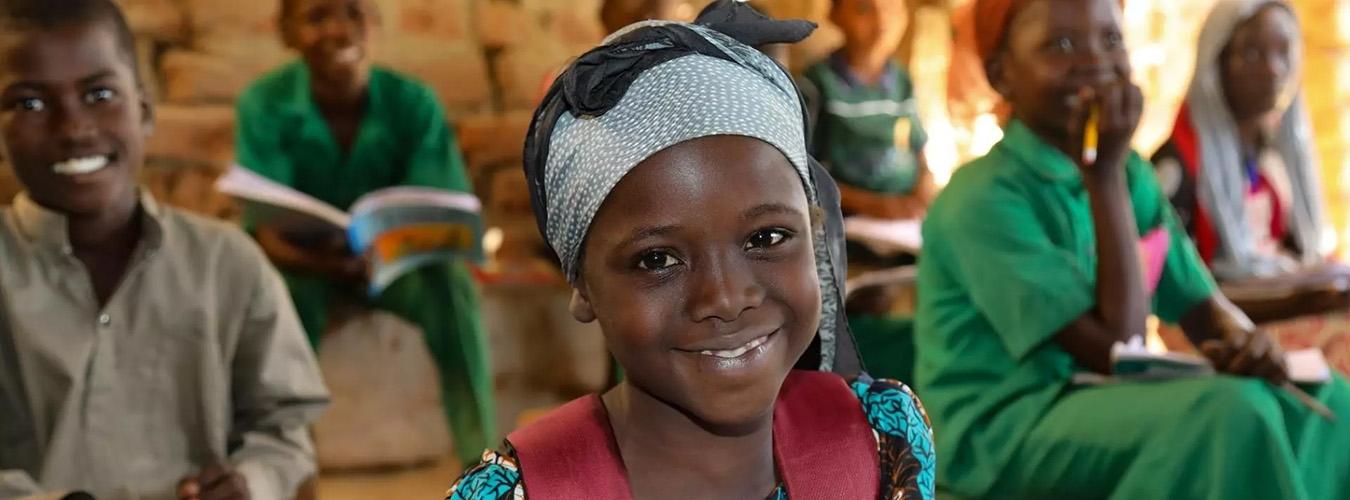
The world is once again turning its attention to the transformative power of learning as nations, institutions, educators, and learners commemorate the International Day of Education. Observed annually on January 24, this global event serves as a powerful reminder that education is not only a basic human right but also the foundation for peace, innovation, economic growth, and sustainable development.
At a time when the world is grappling with inequality, conflict, climate change, and rapid technological shifts, the International Day of Education comes with renewed urgency. It calls on governments, stakeholders, and communities to protect learning systems, invest in quality education, and ensure that no learner is left behind.
The Global Significance of International Day of Education
Education remains one of the strongest tools available to humanity. It empowers individuals, strengthens communities, and drives national development. The International Day of Education was established to elevate global awareness of education’s central role in shaping resilient societies and inclusive economies.
This observance reinforces the understanding that education is not a privilege reserved for a few but a public good that must be accessible, equitable, and relevant to all. From early childhood learning to higher education and lifelong skills development, the Day highlights the interconnectedness of education with every aspect of human progress.
How the International Day of Education Came to Be
The International Day of Education was proclaimed by the United Nations General Assembly in December 2018, designating January 24 as a day of global reflection and action. The declaration was rooted in the global commitment to achieving Sustainable Development Goal Four, which seeks to ensure inclusive, equitable, and quality education for all.
By dedicating a specific day to education, the international community acknowledged that progress in health, gender equality, economic development, peacebuilding, and environmental sustainability is impossible without strong and inclusive learning systems.
Education at the Heart of Sustainable Development
Education plays a catalytic role in achieving sustainable development. It equips individuals with knowledge, skills, and values that enable them to make informed decisions, participate meaningfully in society, and adapt to changing realities.
Quality education improves employment prospects, reduces poverty, promotes gender equality, and fosters innovation. It also strengthens democratic institutions and encourages social cohesion. On a global scale, investing in education is one of the most effective long-term strategies for building peaceful and prosperous nations.
The International Day of Education draws attention to these far-reaching impacts, urging policymakers to prioritize education funding even in times of economic uncertainty.
Persistent Challenges Facing Global Education
Despite significant progress over the decades, the global education sector continues to face serious challenges. Millions of children and young people remain out of school, while many others lack access to quality learning environments.
Key challenges include insufficient funding, shortages of trained teachers, unsafe school environments, digital divides, and disruptions caused by conflict and emergencies. In many regions, learners struggle with overcrowded classrooms, outdated curricula, and limited access to technology.
The International Day of Education highlights these realities while calling for urgent, coordinated action to strengthen education systems worldwide.
The Power of Youth and Innovation in Education
A central focus of recent International Day of Education commemorations has been the growing role of young people in shaping the future of learning. Youth are no longer just beneficiaries of education systems; they are active contributors to innovation, policy dialogue, and reform.
Across the world, young people are advocating for inclusive curricula, climate education, digital literacy, and skills that align with modern labor markets. Their voices are driving conversations on how education can better respond to global challenges and prepare learners for an uncertain future.
By recognizing the power of youth, the International Day of Education underscores the importance of participatory, forward-looking education systems.
Why This Day Matters More Than Ever
In an era defined by rapid technological change and global uncertainty, education has become more critical than ever. Artificial intelligence, automation, and digital transformation are reshaping industries and redefining skills requirements.
The International Day of Education serves as a platform to reimagine learning for the future. It encourages countries to invest in digital infrastructure, teacher training, and flexible learning pathways that support lifelong learning.
It also reinforces the idea that education must remain inclusive, ensuring that vulnerable populations, including girls, refugees, persons with disabilities, and marginalized communities, are not excluded from opportunities to learn and thrive.
A Call to Action for Governments and Stakeholders
The International Day of Education is not merely symbolic. It is a call to action. Governments are urged to strengthen policies, increase funding, and protect education during crises. Educational institutions are encouraged to innovate and adapt to changing learner needs. Communities and families are reminded of their role in supporting learning at all levels.
Private sector actors, civil society organizations, and development partners are also called upon to collaborate in building resilient and future-ready education systems.