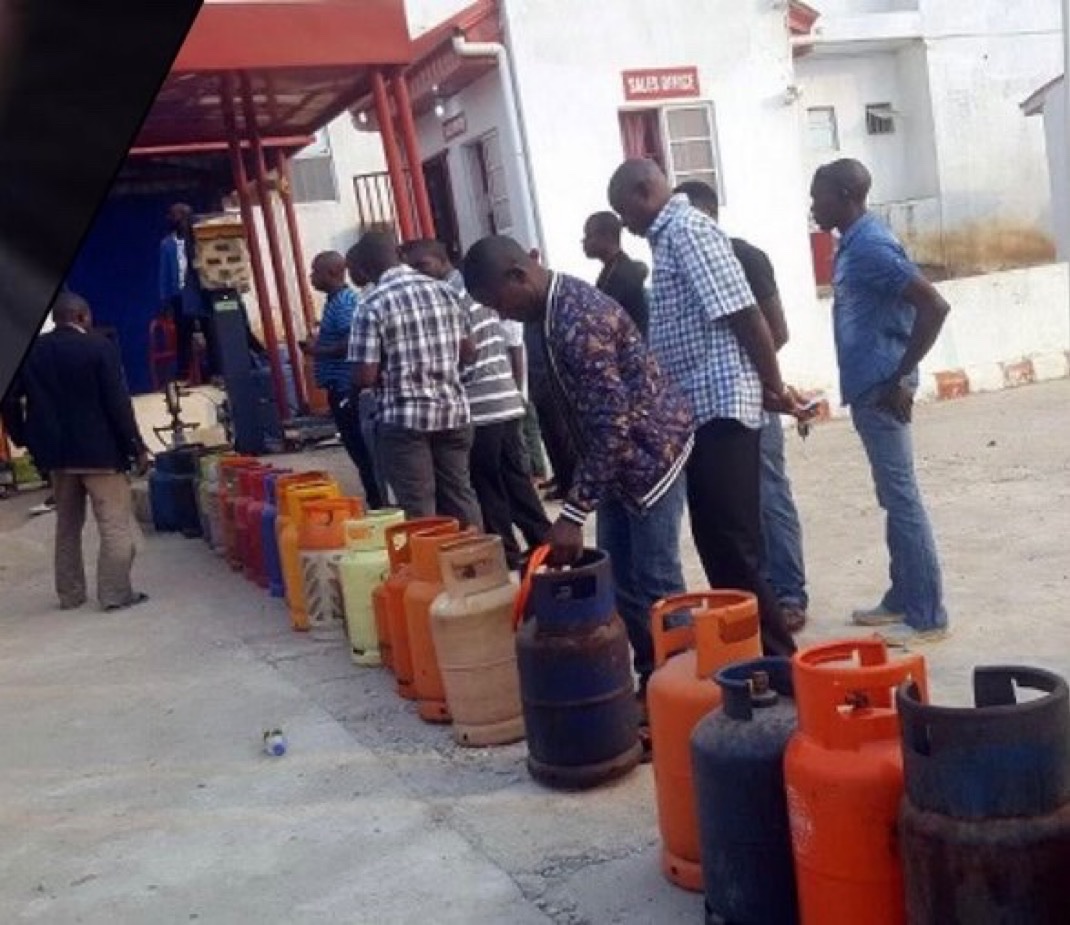
The price of cooking gas in Nigeria has surged sharply, climbing by nearly 40 per cent to about ₦1,400 per kilogram, in a development linked to ongoing geopolitical tensions in the Middle East that have driven global energy prices upward and placed additional pressure on domestic energy markets.
Market checks across major Nigerian cities, including Lagos and Abuja, confirm that Liquefied Petroleum Gas (LPG) — widely used for household and commercial cooking — is now selling at unprecedented rates at retail depots and bottling plants, forcing consumers to pay significantly more for a staple energy source.
Industry sources say the ex‑depot price of LPG has risen steadily in recent weeks, with some suppliers quoting around ₦18 million per 20‑metric‑tonne (MT) shipment, up from about ₦15.9 million previously. In some depots, prices have reached as high as ₦19 million per 20 MT, underscoring volatility in supply‑chain costs that ultimately flow through to retail prices.
Analysts trace the price escalation to disruptions in global energy markets caused by heightened tensions and conflict involving key oil‑producing nations in the Middle East. Although Nigeria produces a significant share of its own LPG domestically, international benchmark prices for crude oil and petroleum products heavily influence local pricing. As Brent crude and other energy benchmarks climb, the cost of importing LPG and related energy inputs rises as well, squeezing distributors and marketers who then adjust pump prices to remain viable.
For ordinary households, the impact has been immediate and tangible. At retail outlets, smaller cooking gas cylinders — such as the popular 6 kg and 12 kg sizes — are now selling for significantly higher prices than just weeks ago. In parts of Lagos, traders reported 6 kg cylinders fetching between ₦9,000 and ₦10,500, while 12 kg and larger cylinders now attract prices that reflect the broader spike in LPG costs.
Traders and consumers alike describe the increase as a fresh blow to household budgets already strained by rising food and transportation costs. Many households that depend on gas for daily cooking are now being forced to allocate a larger portion of their income to basic energy needs, with small‑scale food vendors and commercial kitchens also feeling the pinch.