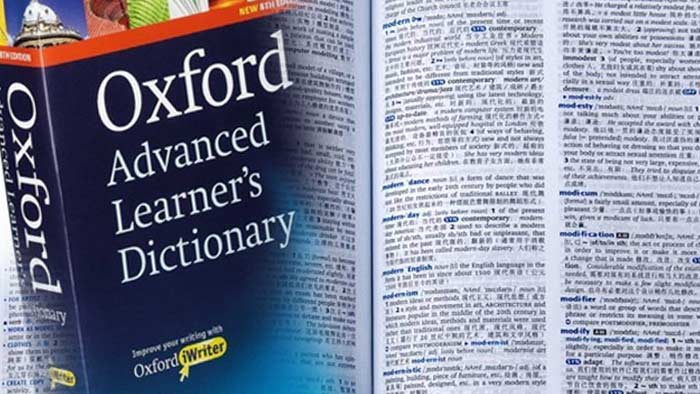
The global recognition of Nigerian culture has reached a historic milestone as the Oxford English Dictionary officially adds several Nigerian and West African words to its latest update. From everyday street expressions to beloved local foods, these entries signal a powerful shift in how global English is defined, documented, and celebrated.
This development is more than a language update. It is a cultural victory that reflects Nigeria’s growing influence on global conversations through music, food, social media, migration, and digital communication.
A Major Boost for Nigerian English on the World Stage
The Oxford English Dictionary’s latest update features hundreds of new words and revised meanings drawn from different regions of the world. Notably, Nigerian English and West African expressions have taken a prominent place in this expansion, reinforcing the idea that English is no longer shaped by one region alone.
By formally recognizing Nigerian-origin words, Oxford acknowledges how millions of people across Africa and the diaspora actively shape modern English through daily usage, creativity, and cultural expression.
Nigerian Words That Made the Dictionary
Among the newly added entries are words that Nigerians use effortlessly in conversations, music lyrics, social media posts, and everyday life.
“Abeg,” a common expression used to plead, emphasize, or express disbelief, has long been part of Nigerian Pidgin and informal speech. Its inclusion reflects how widely the word is now understood beyond Nigeria.
“Biko,” drawn from the Igbo language, is used to politely urge or request, often carrying emotional emphasis. Its acceptance into the dictionary highlights the influence of indigenous Nigerian languages on English usage.
Food also plays a central role in this recognition. “Amala,” a staple Nigerian swallow made from yam, cassava, or plantain flour, now sits comfortably among global culinary terms. “Moi moi,” the steamed bean pudding enjoyed across Nigeria, has also earned its place, showcasing how local dishes have crossed borders through culture and migration.
Other entries reflect everyday Nigerian realities. “Ghana Must Go,” a phrase associated with the popular checkered travel bag widely used across West Africa, carries historical and social significance. “Mammy market,” commonly known as markets found in military barracks, schools, or camps, reflects a uniquely Nigerian concept that has endured over generations.
Slang and pop culture also feature prominently. “Nyash,” a colloquial term referring to the buttocks, especially in pop culture and social media, demonstrates how informal language now shapes mainstream dictionaries.
Afrobeats and Cultural Power
The inclusion of “Afrobeats” further reinforces Nigeria’s global cultural impact. Once a regional sound, Afrobeats has grown into a global music movement, influencing charts, fashion, dance, and youth culture worldwide. Its recognition by Oxford confirms its permanent place in global vocabulary.
Why This Recognition Matters
This development is significant because dictionaries shape how language is taught, understood, and legitimized. For decades, African English varieties were often excluded or treated as informal or incorrect. The inclusion of Nigerian words challenges that outdated narrative.
It validates the everyday language of millions of people and affirms that Nigerian English is not broken English, but a vibrant, evolving variety shaped by history, creativity, and identity.
For young Nigerians, writers, creatives, and students, this recognition sends a powerful message: local language and culture matter, and they belong on the global stage.
English as a Living, Global Language
The Oxford English Dictionary has increasingly embraced the idea that English is a living language shaped by its speakers worldwide. Nigerian English, West African expressions, internet slang, and cultural terms now contribute actively to how English evolves.
This shift reflects a broader global reality where language is no longer owned by a single region but enriched by diverse voices.
A Proud Moment for Nigeria and Africa
The addition of Nigerian words to the Oxford English Dictionary is a moment of pride not just for Nigeria, but for Africa as a whole. It represents cultural recognition, linguistic inclusion, and global acknowledgment of everyday African experiences.
As Nigerian music tops international charts, Nigerian food gains global attention, and Nigerian expressions dominate online spaces, this dictionary update confirms what many already know: Nigerian culture speaks to the world, and now, the world is officially listening.