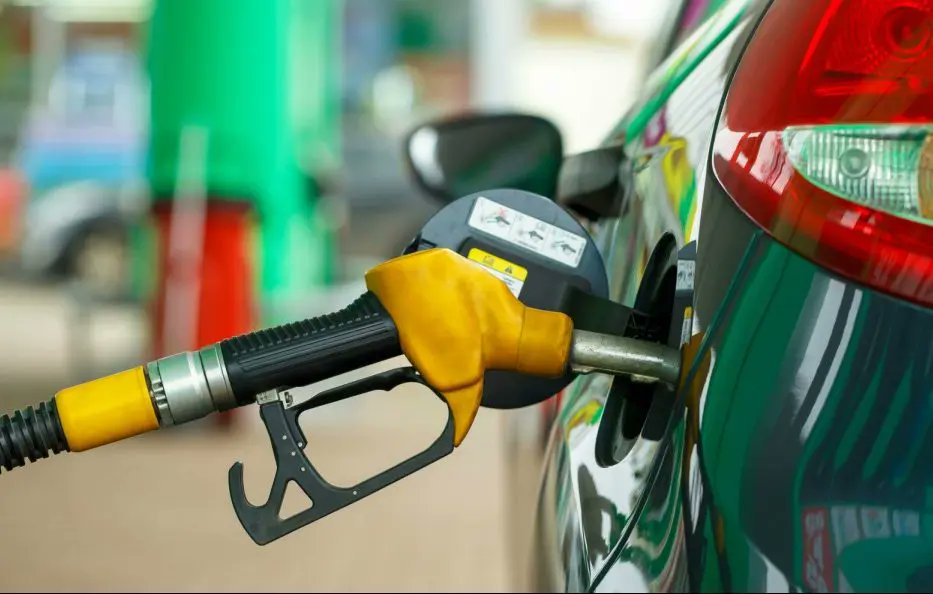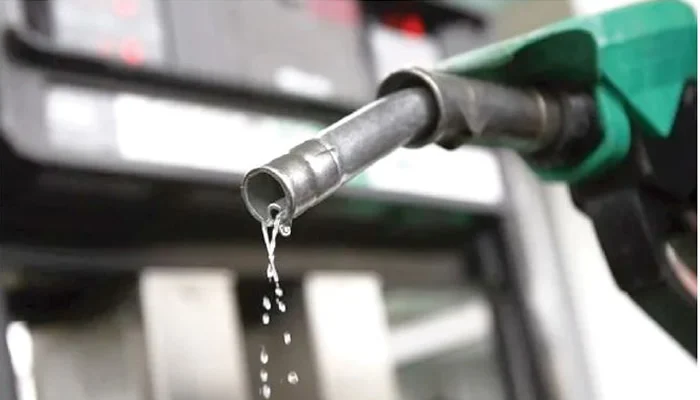
In a landmark shift that could bring much-needed relief to motorists and consumers nationwide, Dangote Petroleum Refinery has announced a significant reduction in its petrol price — cutting the ex-depot (gantry) price of petrol to ₦699 per litre. This dramatic move marks one of the deepest reductions seen in recent fuel pricing cycles in Nigeria’s refining sector and comes as competition intensifies and the refinery ramps up production capacity.
Massive Price Drop: From ₦828 to ₦699 per Litre
The refinery slashed the petrol gantry price by ₦129 per litre, bringing it down from ₦828 to ₦699 per litre — a 15.58% reduction. This new pricing took effect on December 11, 2025, and represents the most aggressive drop in petrol pricing by the refinery so far this year.
This adjustment marks the 20th petrol price review announced by Dangote Petroleum Refinery in 2025, highlighting a dynamic pricing strategy that responds to market conditions and broader economic pressures.
Why This Matters: Relief Amid Rising Cost of Living
For many Nigerians, fuel costs are a major driver of inflation, affecting transportation expenses, haulage charges, and the price of everyday goods. A drop to ₦699 per litre at the gantry level has the potential to significantly ease consumer pressures — provided that the reduction trickles down to retail pump prices.
While ex-depot prices do not always translate immediately into lower cost at the pumps, they exert downward pressure on the entire fuel value chain, with retailers likely to respond over time to stay competitive.
Dangote’s Strategy: Competitive Pricing and Domestic Supply
Industry insiders suggest that Dangote’s pricing strategy reflects a broader competitive push against imported petrol products, especially as the refinery increases output and asserts itself against foreign supply. The company’s leadership has repeatedly emphasised a commitment to keeping domestic fuel prices reasonable, competitive, and reflective of local refining capabilities rather than reliance on imports.
In comments made earlier this month after a closed-door meeting with President Bola Tinubu, Aliko Dangote reiterated that petrol prices are expected to continue trending downward as production stabilises and distribution expands. He also highlighted how reduced smuggling — due to the new pricing — is helping curb fuel leakage across borders, though challenges remain.
Market Reaction: Slippage in Depot Prices
Following Dangote’s latest pricing move, several other depots in the market have adjusted their own petrol prices — some modestly, others more aggressively — in a bid to remain competitive within the sector’s shifting landscape. For example:
- Sigmund Depot reduced its ex-depot price slightly.
- Bulk Strategic and TechnoOil also implemented marginal price drops.
- Other depots, including A.A. Rano, NIPCO, and Aiteo, reflected varying adjustments in line with the new market pricing benchmark.
These shifts indicate a potential ripple effect throughout the pricing structure that could benefit consumers beyond just Dangote’s immediate price change.
What This Could Mean at the Pump
Historically, reductions in ex-depot prices — like the recent one — are followed by gradual decreases in retail pump prices as marketers adjust to new cost realities. In past fuel price cuts, marketers have eventually responded with lower pump rates, although lag times can vary depending on station location, region, and inventory cycles.
If the latest drop fully feeds through to retail pricing, motorists across major cities such as Lagos, Abuja, and Port Harcourt could eventually see petrol selling closer to the ₦800/litre mark or below, offering real savings at the bowser.