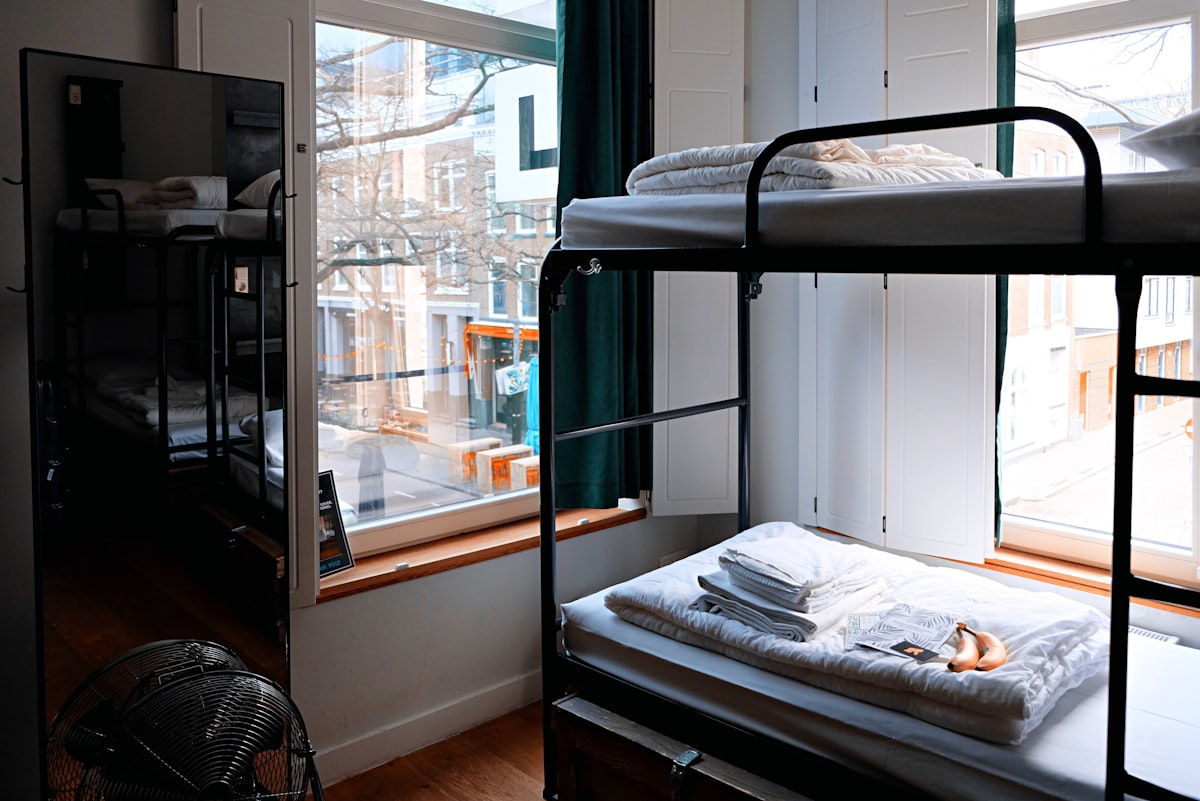
Finding safe, affordable, and comfortable housing is one of the most stressful challenges facing Nigerian university students today. Whether you are a fresh student heading to campus for the first time or a returning student who missed out on hostel allocation, navigating student accommodation in Nigerian universities 2026 requires knowledge, planning, and quick action. This comprehensive guide covers everything you need to know — how on-campus hostel allocation works, what off-campus housing options are available, typical costs across different universities and cities, safety tips, your rights as a tenant, and practical strategies to secure the best accommodation possible before resumption.
The Student Housing Crisis in Nigerian Universities
Nigeria’s public universities are severely under-resourced when it comes to student accommodation. Most federal and state universities were built to house a fraction of their current student population. The University of Lagos (UNILAG), for instance, was originally designed to accommodate around 10,000 students but now enrolls over 60,000. The result is a chronic shortage of on-campus beds, with only a small percentage of students — typically first-year or first-semester fresh students — guaranteed hostel spaces upon arrival.
This housing shortfall has created a thriving off-campus private rental market around virtually every Nigerian university. Areas like Akoka and Yaba around UNILAG, Sango-Ota near Covenant University, Agodi and Bodija near UI, Enugu-Ukwu near UNEC, and Samaru near ABU Zaria are densely populated student communities offering everything from basic single rooms to furnished self-contained apartments. Understanding both the on-campus and off-campus landscape is essential for every prospective and returning student.
On-Campus Hostel Accommodation: How It Works
On-campus hostel accommodation in Nigerian universities is managed by each institution’s Student Affairs Division or Hostel Management Unit. The process and policies differ between universities, but the general framework is consistent:
Who Gets Priority for On-Campus Hostel Allocation?
In most federal universities, on-campus hostel allocation priority is typically given to: fresh (100 level) students, final-year students preparing for project defence, students with medical or disability-related needs, and students on student union executive positions. Some universities such as the University of Ibadan (UI) and Covenant University operate a mandatory residential policy for all years, though this is more common at private institutions. At most federal universities, only a fraction of the total student population can be accommodated on campus at any given time.
The Hostel Allocation Process
Hostel allocation in Nigerian universities is typically done online through each institution’s student portal. Students log in, apply for a bed space, make payment, and await confirmation. The most competitive bed spaces — usually in newer, better-maintained halls of residence — are allocated on a first-come, first-served basis or by ballot when demand far exceeds supply. Students who do not secure on-campus accommodation must seek off-campus housing.
On-Campus Hostel Fees in Nigerian Universities 2026
On-campus hostel fees in Nigerian federal universities remain among the most affordable student housing options in the country, thanks to government subsidies. However, fees have increased significantly in recent years following the removal of the fee cap imposed by ASUU agreements. Below are estimated hostel fee ranges at some of Nigeria’s major federal universities in 2026:
| University | On-Campus Hostel Fee (Annual, ₦) | Room Type | Facilities |
|---|---|---|---|
| University of Lagos (UNILAG) | 80,000 – 250,000 | 4–8 per room (varies by hall) | Electricity, water, security |
| University of Ibadan (UI) | 60,000 – 180,000 | 2–6 per room | Electricity, water, some Wi-Fi |
| Ahmadu Bello University (ABU) Zaria | 50,000 – 150,000 | 2–8 per room | Electricity (intermittent), water |
| University of Nigeria, Nsukka (UNN) | 60,000 – 170,000 | 4–8 per room | Electricity, water |
| Obafemi Awolowo University (OAU), Ile-Ife | 50,000 – 160,000 | 4–8 per room | Electricity, water, open corridors |
| University of Benin (UNIBEN) | 60,000 – 180,000 | 4–6 per room | Electricity, water |
| Federal University of Technology, Akure (FUTA) | 50,000 – 140,000 | 4–8 per room | Electricity (solar/grid), water |
| Covenant University (private, mandatory) | 500,000 – 700,000 | 2–4 per room | AC, 24-hr electricity, security, meals |
The stark difference between government university hostel fees and private university rates reflects the funding model differences between the two. Government hostels are heavily subsidised but often overcrowded and under-maintained. Private university hostels are expensive but typically offer significantly higher comfort, security, and amenity standards.
Off-Campus Accommodation: Options, Costs and What to Expect
The majority of students in Nigerian federal universities — typically 60% to 80% of the student population — live off-campus. Off-campus accommodation around university towns comes in several categories, each with different cost, privacy, and safety profiles:
1. Single Room (Self-Contained or Shared Facilities)
The most common off-campus student accommodation type in Nigeria. A single room typically measures 9–15 square metres and may have either a private bathroom and kitchenette (self-contained) or shared bathroom and kitchen facilities with other tenants on the same floor. Costs range from ₦80,000 to ₦400,000 per year depending on the location, university town, and quality of facilities.
2. Mini Flat / One-Bedroom Apartment
A mini flat or one-bedroom apartment offers a sitting area (or small living room), a separate bedroom, a private bathroom, and a kitchen. These are popular among final-year students, postgraduate students, and those who prefer more space and privacy. Annual rents range from ₦200,000 to ₦800,000 or more depending on location and university town.
3. Shared Apartment (Room-Sharing)
A common money-saving arrangement where two to four students rent a flat together and split the cost. Room-sharing is particularly popular among students from the same state, department, or social circle. When costs are split between roommates, monthly accommodation costs can drop to as low as ₦15,000–₦30,000 per person — making it the most affordable off-campus option available.
4. Purpose-Built Student Hostels (Private Operators)
A growing trend around major Nigerian universities is purpose-built student hostels operated by private companies. These facilities offer structured dormitory accommodation with security, stable electricity (solar or generator backup), Wi-Fi, laundry facilities, and sometimes a canteen. Examples include hostels operated by private developers near UNILAG, UI, and LASU. Annual costs typically range from ₦150,000 to ₦500,000 per student.
Off-Campus Rent Comparison Across Major University Towns in Nigeria 2026
Rental costs vary enormously between university towns. Lagos-based students pay significantly more than their counterparts in Nsukka, Zaria, or Akure. Here is a realistic rent comparison across major university towns for the 2026 academic year:
| University Town | Single Room (Annual ₦) | Mini Flat (Annual ₦) | Shared Flat per Person (Annual ₦) |
|---|---|---|---|
| Lagos (UNILAG, LASU, LASPOTECH area) | 250,000 – 600,000 | 500,000 – 1,200,000 | 150,000 – 350,000 |
| Ibadan (UI, Poly Ibadan area) | 120,000 – 350,000 | 250,000 – 700,000 | 80,000 – 200,000 |
| Ile-Ife / Osun (OAU area) | 80,000 – 200,000 | 180,000 – 450,000 | 50,000 – 130,000 |
| Zaria / Kaduna (ABU area) | 70,000 – 180,000 | 150,000 – 400,000 | 40,000 – 120,000 |
| Nsukka / Enugu (UNN area) | 80,000 – 220,000 | 180,000 – 500,000 | 50,000 – 140,000 |
| Akure (FUTA area) | 70,000 – 180,000 | 160,000 – 380,000 | 40,000 – 110,000 |
| Benin City (UNIBEN area) | 90,000 – 230,000 | 200,000 – 500,000 | 60,000 – 140,000 |
| Abuja (UNIABUJA, NOUN area) | 200,000 – 500,000 | 400,000 – 900,000 | 120,000 – 280,000 |
These figures are estimates based on reported rental rates across student communities and may vary based on proximity to campus (the closer to the gate, the more expensive), availability of electricity, water supply, security infrastructure, and whether the property is furnished. Always inspect a property in person before making any payment.
How to Find Off-Campus Student Accommodation in Nigeria
Finding good off-campus accommodation requires a proactive approach, especially for fresh students who do not yet have established social networks near campus. Here are the most effective ways to find student housing in Nigeria:
- Student union accommodation boards: Most Nigerian universities have a Student Union Government (SUG) or accommodation committee that maintains lists of vetted off-campus landlords and hostels near campus. Visit the SUG office early in your first semester to access these resources.
- Departmental WhatsApp and Telegram groups: Student communication groups by department and level are where accommodation vacancies are most rapidly shared. Join your department’s group immediately upon resumption and post your accommodation needs — a senior student or colleague is often the fastest route to finding a room.
- University social media pages and alumni groups: Facebook groups dedicated to students of specific universities frequently contain accommodation listings. Search for “[your university name] students” or “[university nickname] accommodation” groups.
- Verified property apps: Platforms such as NigeriaPropertyCentre.com, PropertyPro.ng, and Jiji.ng list student-friendly properties in most university towns. Filter by your target area and price range. Always verify any listing by visiting the property before paying.
- Ask returning students: If you know any second, third, or final-year student from your university, ask them for accommodation recommendations. Word of mouth from students who have lived in an area for a year or more is more reliable than any online listing.
Safety Tips for Students Renting Off-Campus Accommodation
Student safety in off-campus accommodation is a serious concern that parents and students must prioritise. These practical safety guidelines can help protect you from both physical harm and financial fraud:
Vet the Landlord and Neighbourhood Before Paying
Never pay rent for accommodation you have not personally inspected. Visit the property at different times of day — during the day to assess the neighbourhood and at night to check security (streetlights, perimeter walls, security guards). Talk to current tenants if possible; they are usually the most honest source of information about the property’s actual conditions, the landlord’s reliability, and neighbourhood safety.
Get a Written Tenancy Agreement
Always insist on a written tenancy agreement before paying any rent. The agreement should state the rental amount, payment frequency (annual, bi-annual), duration of tenancy, what is included (water, electricity), notice period for eviction, and conditions for renewal. Without a written agreement, you have very limited legal recourse if the landlord behaves improperly or attempts to evict you without notice.
Beware of Accommodation Scams
Accommodation scams targeting Nigerian university students are extremely common, particularly targeting fresh students during the pre-resumption period. Common scams include: fake listings on social media where the “landlord” collects a deposit then disappears; agents who collect “inspection fees” for properties they do not actually manage; and double-letting (renting the same room to multiple students simultaneously). Never pay any money — not even an “agent fee” — before physically seeing the property and meeting the landlord or a verified agent in person.
Consider Proximity to Campus vs Cost Trade-off
Accommodation directly opposite the campus gate is significantly more expensive than rooms a 20-minute walk or short commute away. Students on tight budgets often choose to live slightly further from campus and use public transport (danfo, keke napep, okada) or bicycles to get to class. Before committing to expensive close-by accommodation, research the transport options available from cheaper areas and factor in the true monthly cost of commuting versus the rent premium for proximity.
Tips for Getting On-Campus Hostel Allocation
Securing a bed in the university’s on-campus hostel is highly competitive at most Nigerian universities. These tips can significantly improve your chances:
- Apply immediately when the portal opens: Hostel allocation portals fill up within hours of opening at popular universities. Set an alarm and apply the moment the portal goes live — do not wait even a day.
- Complete your school fees payment first: At most universities, you must have cleared your school fees payment before you can apply for hostel allocation. Ensure payment is processed and reflected in your student portal before allocation opens.
- Apply for less popular halls: Newer, more popular hostels fill up instantly. Consider applying for older, less-sought-after halls — they may be less flashy but are far easier to secure. Once on campus, you can apply for reallocation in subsequent sessions.
- Know your rights as a fresh student: In most federal universities, fresh students (100 level) are given priority for on-campus accommodation. If you are a fresh student and were denied allocation without explanation, visit the Student Affairs Division to enquire about your eligibility.
- Apply early in subsequent years: Many students wrongly assume that because they did not get a hostel bed in 100 level, they will never get one. Reapply at the start of every subsequent academic session — availability fluctuates as senior students graduate and rooms open up.
Budgeting for Student Accommodation: A Complete Cost Framework
Understanding the full cost of student accommodation goes beyond just rent. Here is a realistic monthly budget framework for a student living off-campus in a mid-range Nigerian university town such as Ibadan, Nsukka, or Akure:
| Expense Item | Estimated Monthly Cost (₦) | Notes |
|---|---|---|
| Rent (single room, prorated monthly) | 10,000 – 30,000 | Pay annually but divide for budgeting |
| Electricity (PHCN token/generator fuel) | 5,000 – 15,000 | Higher in hot months or if AC is used |
| Water (water vendor or borehole fee) | 2,000 – 6,000 | If not included in rent |
| Food (cooking at home) | 20,000 – 40,000 | Significantly cheaper than eating out daily |
| Transportation (to/from campus) | 5,000 – 20,000 | Depends on distance from campus |
| Internet/data subscription | 3,000 – 10,000 | Essential for academic work |
| Toiletries and household supplies | 3,000 – 8,000 | Soap, detergent, cleaning supplies |
| Miscellaneous/emergency fund | 5,000 – 15,000 | Medical, repairs, social expenses |
| Total Monthly Estimate | 53,000 – 144,000 | Varies significantly by location and lifestyle |
This budget assumes cooking at home rather than eating at restaurants or campus cafeterias, which is by far the most cost-effective approach for students. A student who eats out for every meal can easily spend ₦60,000 to ₦100,000 per month on food alone, effectively doubling the total cost of living. Learning to cook simple, nutritious meals on a student budget is one of the most financially impactful life skills any Nigerian university student can develop.
Parents planning their children’s university finances should account for both school fees and the full living cost framework above. For detailed guidance on the school fees landscape at federal universities, see our comprehensive post on Federal University School Fees 2026, which provides a full breakdown of tuition and levies at UNILAG, UI, ABU, FUTA, and other major institutions.
How NELFUND Student Loans Can Help With Accommodation Costs
The Nigerian Education Loan Fund (NELFUND) represents a significant new resource for Nigerian students struggling to fund their education and living costs. NELFUND provides low-interest student loans that can be used not only for school fees but also for accommodation and living expenses. Students at accredited institutions can apply through the NELFUND portal, and repayment begins only after graduation and employment — making it a genuinely accessible financial support mechanism.
If you are struggling to cover accommodation costs alongside school fees, NELFUND is worth exploring. Our detailed guide on NELFUND Student Loan 2026 walks through the full application process, eligibility criteria, loan amounts, and repayment terms. Understanding your financing options before you arrive on campus is as important as knowing where you will sleep.
Frequently Asked Questions About Student Accommodation in Nigeria 2026
Can a fresh student get on-campus hostel accommodation in Nigeria?
Yes — at most federal universities, fresh (100 level) students are given priority for on-campus hostel allocation. However, competition is still fierce and not every fresh student is guaranteed a bed. Apply for hostel allocation as soon as the portal opens, ensure your school fees are fully paid before applying, and have a backup off-campus option ready in case you are unsuccessful in the first allocation round.
How much does it cost to rent a room near UNILAG in 2026?
Off-campus single rooms near the University of Lagos (in areas like Akoka, Bariga, and Yaba) cost approximately ₦250,000 to ₦600,000 per year in 2026, depending on the exact location, quality, and whether the room is self-contained. Shared apartments split between two or three students can bring per-person costs down to ₦100,000–₦250,000 per year. Lagos is one of the most expensive university towns in Nigeria for student accommodation.
Is it safe to live off-campus as a Nigerian university student?
Off-campus living can be safe when you take the right precautions: choose accommodation in well-lit, active neighbourhoods; ensure your building has adequate security (perimeter fence, security guard if possible, good locks); avoid advertising valuables; vary your daily routines; and maintain an active network of friends and neighbours who can raise an alert if anything seems wrong. Never move into accommodation you have not visited in person during both daylight and evening hours.
What should I do if my hostel allocation is cancelled or revoked?
If your on-campus hostel allocation is cancelled or revoked — which can happen due to administrative errors, non-payment of fees, or a university decision to reassign spaces — your first step is to visit the Student Affairs Division or Hostel Management Unit immediately. Bring proof of your allocation (screenshot from the portal, payment receipt). Many allocation errors are resolved quickly when raised formally. If the revocation is legitimate (e.g., unpaid school fees), resolve the underlying issue first and then reapply when the next allocation window opens.
What happens to accommodation during ASUU strikes?
During ASUU strikes, on-campus hostels are typically closed as the university suspends all academic and administrative activities. Students living on campus are required to vacate. Students in off-campus accommodation generally maintain their rooms throughout a strike period, though this means continuing to pay rent without academic activity — a major financial burden that highlights the importance of negotiating flexible rent payment terms with your landlord. For the latest updates on academic calendar disruptions, see our post on ASUU Strike 2026.
Can I negotiate rent with my off-campus landlord?
Yes — and you should always try. Many Nigerian landlords, especially in student communities, are open to negotiation on rent, particularly if you are offering a full year’s payment upfront, you come with a recommendation from an existing trusted tenant, or you are willing to sign a multi-year agreement. Even a 10% to 15% reduction in annual rent represents a significant saving over a four to five-year programme. Approach negotiation respectfully and professionally — landlords respond well to tenants who are serious, organised, and communicate clearly.
Making the Most of Your Student Accommodation Experience
Where you live during your university years shapes far more than just your physical comfort. Your accommodation environment affects how well you sleep, how effectively you study, how safe you feel, and how strong your social connections become. Students who live in well-managed, secure, low-stress environments consistently perform better academically and report higher levels of wellbeing than those who spend their university years dealing with housing problems.
Invest time before each academic session in properly researching and securing your accommodation. The hour spent visiting properties, comparing options, reading tenancy agreements carefully, and verifying landlord credentials before you pay any money is an hour that can save you from months of avoidable stress, financial loss, or safety risk. Treat your accommodation search with the same seriousness you give to choosing your courses.
Whether you end up in a university hostel, a private room, or a shared flat with coursemates, the fundamentals are the same: choose safety first, budget realistically, establish your rights as a tenant through a written agreement, and build a support network of neighbours and friends who look out for each other. Nigerian universities can be extraordinary environments for personal growth — and having stable, secure accommodation makes all the difference.
For students planning their full university budget, check our guides on Federal University School Fees 2026 and the NELFUND Student Loan to understand the full financial picture of attending a Nigerian university — from fees and accommodation to funding options that can ease the financial burden on your family.
Do you have questions about student accommodation near a specific Nigerian university, or tips from your own experience that could help fellow students? Share them in the comments section below. And if this guide has been helpful, please share it — thousands of students are navigating exactly these challenges, and the right information can make an enormous difference.